HIRAL KUMAR
$ echo "Somophore | B.Tech CSE | Ex-Campus Partner @Perplexity | Learner @AWS Cloud Club"
I am an engineering student passionate about building industry‑level machine learning models while strengthening my foundation in core computer science. Alongside this, I actively explore my interests in space technology and electrical engineering, aiming to integrate these domains into innovative, real‑world applications. My curiosity drives me to learn across disciplines, and I am committed to developing solutions that bridge advanced computing with emerging technologies.
skills
projects
PC-NDT
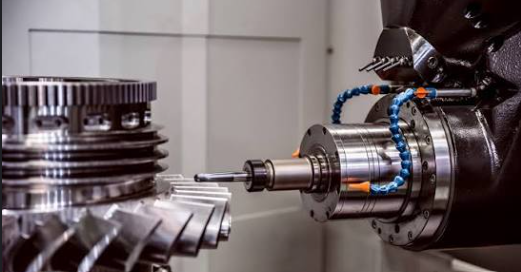
Built an industry-scale predictive maintenance system (PC-NDT) for CNC digital twins using GNNs (AGCRN), Neural ODEs, and physics-informed learning, a production-grade modular ML pipeline enabling end-to-end training, RUL prediction, and a custom interpretability metric (PDS) for deployment readiness. Trained and validated on multiple industrial datasets (NASA IMS, PRONOSTIA, NASA Milling) achieving strong cross-domain generalization and collaborated with chinese senior engineers, receiving validation and invitation for full-scale implementation

Guardian X
GuardianX is an all-in-one women safety mobile app that works even without internet. Built in 24 hours at IgnitionHack 2.0, Gautam Buddha University. It uses SentinelAI, SafeMesh and BLE that lets anyone outbreak from any situation with a quick gesture. Along with features like AI calling, Fake call generation and location precision.
Tri Secure Access System
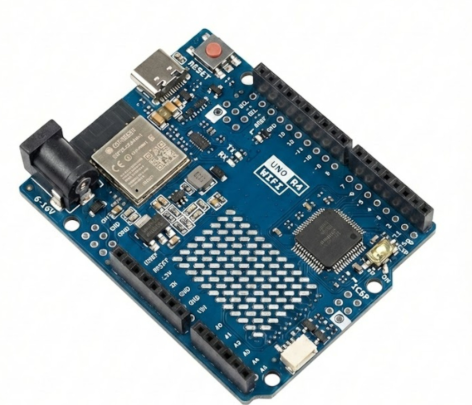
The TriSecure Access System achieves its design objectives comprehensively. By reframing security architecture around three functional dimensions rather than three discrete sensors, the project delivers a richer and more practically deployable access control system than a straightforward sensor-count increase would provide. The system proves that a single Arduino UNO, when programmed with well-structured authentication logic, can implement sophisticated multi-level security behaviour — adaptive mode switching, dynamic administrative control, and brute-force resistance — at a fraction of the cost and complexity of multi-board alternatives.
PulsarX
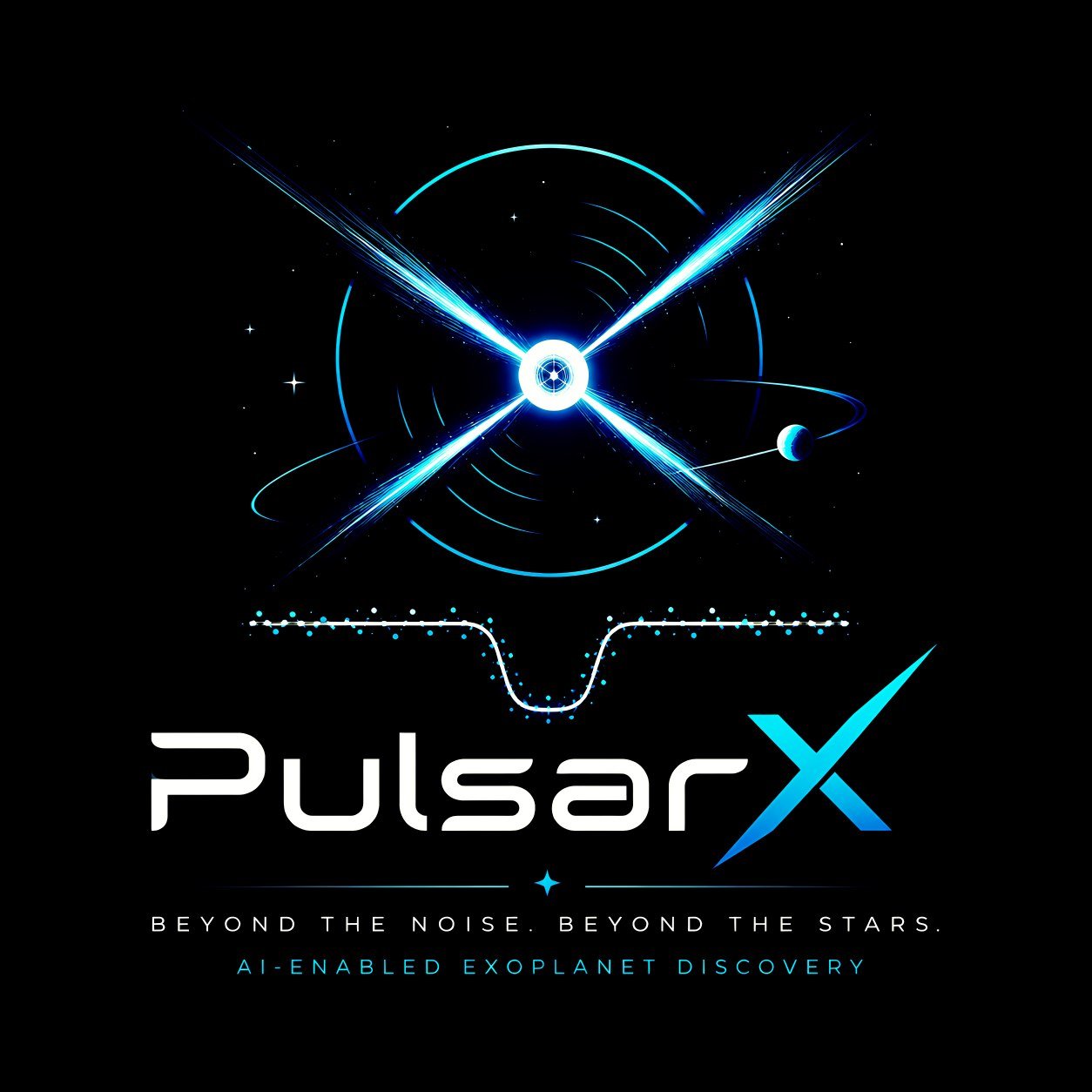
Ideated PulsarX, an autonomous AI pipeline for exoplanet detection from noisy TESS light curves, using a multi-expert architecture (CNN, MLP, signal processing, spatial analysis) to fuse transit morphology, physics validation, centroid shifts, and starspot filtering into a multi-class classifier; integrated uncertainty quantification (MC Dropout, conformal prediction, Bayesian inference) and Grad-CAM explainability for physically consistent, interpretable predictions.
experience
digital promotion and peer-to-peer outreach
• Managed the end-to-end referral pipeline using Dub (onboarding,link deployment, conversion tracking, performance
analysis), delivering verified conversions with $15 in incentives and achieving eligibility for performance-based
bonus
building; created 10+ working projects
• Conducted AWS curated seminars in the SOICT and SOM Auditorium with the lead team and mentors; 5+ sessions
in the campus within 3 months